 Szeto Handyman
Why fall is the time
- A text on the way to the drafty window
- Floors covered, tidy after
Caulk takes a beating over a valley summer. Months of sun and heat dry it out, and the stucco and window frames expand and shrink every day. By October, the caulk around many windows has cracked, pulled away at the corners or turned chalky.
Fall brings the first cool nights and the Santa Ana wind season, when every gap whistles and fine dust blows in. Resealing before then means a warmer, cleaner house for the winter, and caulk cures well in mild fall temperatures.
- Feel the edgesCheck around the frame on a windy day.
- Look at old caulkCracks and gaps at the trim line.
- Check the sashWorn stripping where the window closes.
- Photo and textEach window with the gap marked.
Where we look
- The joint where the window frame meets the stucco outside.
- The top of the window frame, where water runs down the wall.
- The interior joint between the frame and the drywall or trim.
- Window sills and the corners where sill meets frame.
- Pipes, cables, vents and hose bibs that pass through walls.
- The joints around door frames and the garage side door.
Sliding windows also lose air through worn pile strips in the sash. That is weatherstripping rather than caulk; see weatherstripping and door sweeps.
- Small fixes and repairs
- Swaps on existing mounts
- Patching and adjusting
- Hardware, trim and assembly
- Structural framing changes
- Roofing and foundations
- New openings in walls
- Whole-room rebuilds
Outside first
Exterior caulk keeps rain out of the wall as well as wind. We cut out the old bead, scrape off loose material, clean dust and chalk from the joint, and let it dry. Then we lay a new bead of exterior-grade sealant that stays flexible as the stucco and frame move.
Polyurethane and hybrid sealants grip stucco well and can be painted; silicone sheds water but will not hold paint. We pick by whether the joint will be painted.
- Mon–Sat 8:30 AM–7 PM
- Closed Sunday
- Texts usually answered within the hour.
One important detail: at the bottom of many windows, small weep holes or gaps let water that gets into the frame drain out. Those must stay open. Sealing them traps water in the frame. We leave weeps clear on purpose.
- Wide shotThe whole fixture and the space around it.
- Close-upLabels, model numbers, the leak or break.
- ConnectionsValves, pipes, wires or brackets.
- Send itText the photos with your cross street.
Inside joints
Inside, gaps between the window frame and the drywall or trim let air move between the wall cavity and the room. A thin bead of paintable acrylic caulk closes them. Where the gap is wider than a pencil, a foam backer rod goes in first so the caulk is the right depth. We tool every bead smooth and wipe excess so it looks neat, then it can be painted to match.
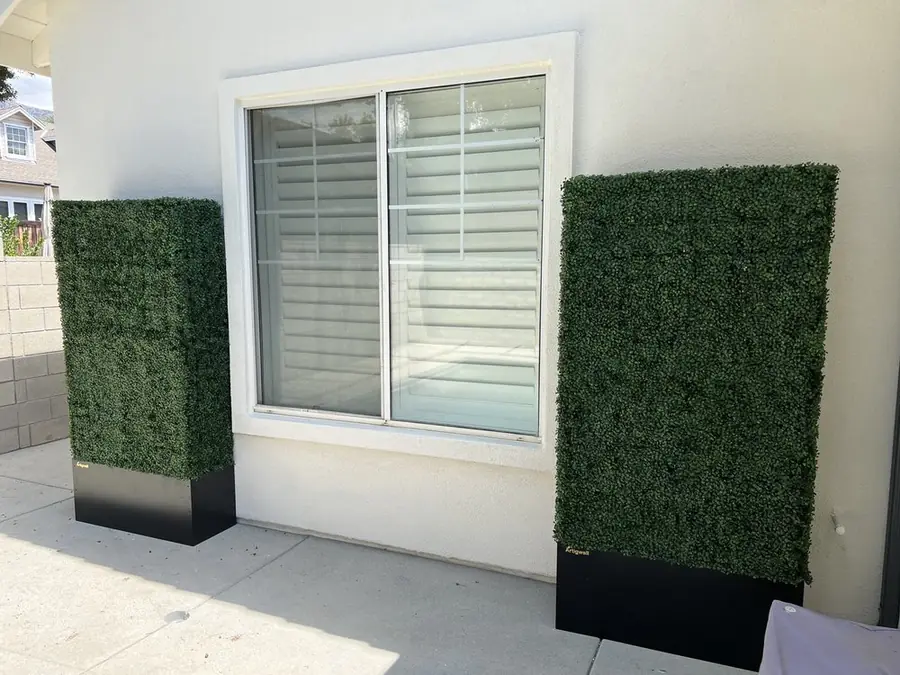
Testing for drafts
On a windy evening, hold a lit incense stick near window corners, outlets on exterior walls and around pipes under sinks. Where the smoke flutters, air is moving. Mark the spots with tape and include a photo in your text. That list tells us where to spend time.
What sealing does and does not do
Sealing gaps helps comfort and keeps dust and bugs out. It does not turn a single-pane window into an insulated one; heat still passes through the glass. If windows are failing in other ways, such as broken sashes, fogged dual panes or rotted frames, see window replacement and wood rot repair.
- PrepRemove loose or damaged material.
- RepairPatch, fill or reset the piece.
- Build upThin layers, each left to set.
- FinishSand, seal or paint to blend in.
Ladders and second floors
Ground-floor windows are done from the ground or a step ladder. Second-floor windows are done from an extension ladder set on firm, level ground, or from inside where the window allows. We do not work from roofs or ledges. Windows that cannot be reached safely that way are noted for you rather than forced.
- Hold a lit incense stick near frames on a windy day
- Look for light around closed windows and doors
- Check where siding meets window trim
- Feel for cold air at outlets on outside walls
- Look for cracked or gapped caulk
- Note which rooms feel coldest
A whole-house visit
A full reseal covers every window outside, the leakiest ones inside, and the pipe and vent penetrations; how long it takes depends on the house, and we’ll tell you after seeing photos. We note any rot, cracked stucco or failed glass we see along the way and send you photos, so you know what else needs attention before the rains.
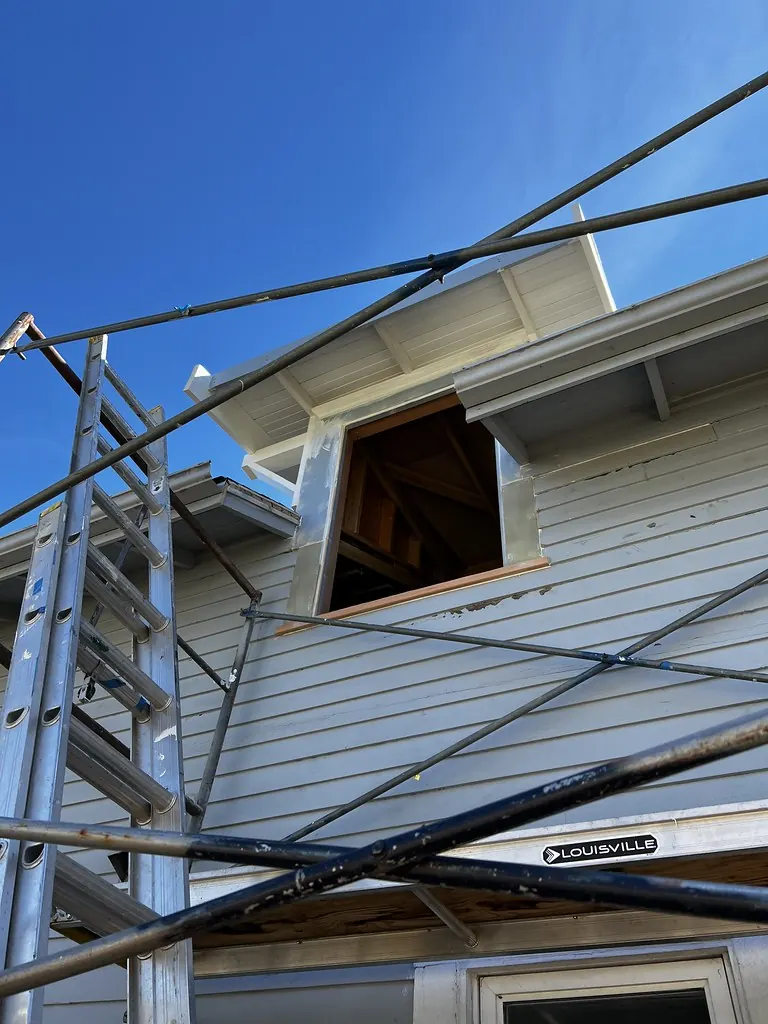
Photos for the quote
A photo of a typical window outside, close enough to see the caulk, plus a count of windows, is enough for a price.
Weather for caulking
Most sealants want a dry joint and mild temperatures to cure well. We avoid caulking right before rain and in the heat of a summer afternoon on a sun-baked wall, when beads skin over too fast. Fall mornings are ideal.

Choosing the sealant
Sealant tubes make big promises. What matters is whether the product is rated for exterior use, how much movement it handles, and whether it can be painted. On stucco next to aluminum frames, we favor a paintable hybrid sealant that bonds to both.
Inside, a paintable acrylic latex with silicone handles small gaps well. Clear silicone is for spots that will never be painted, such as glass to metal.
Color and paint
White and clear sealants are common, but bronze, gray and beige versions blend better with many frames and walls. When the stucco is painted, we can paint over a paintable bead after it cures, so the joint disappears.
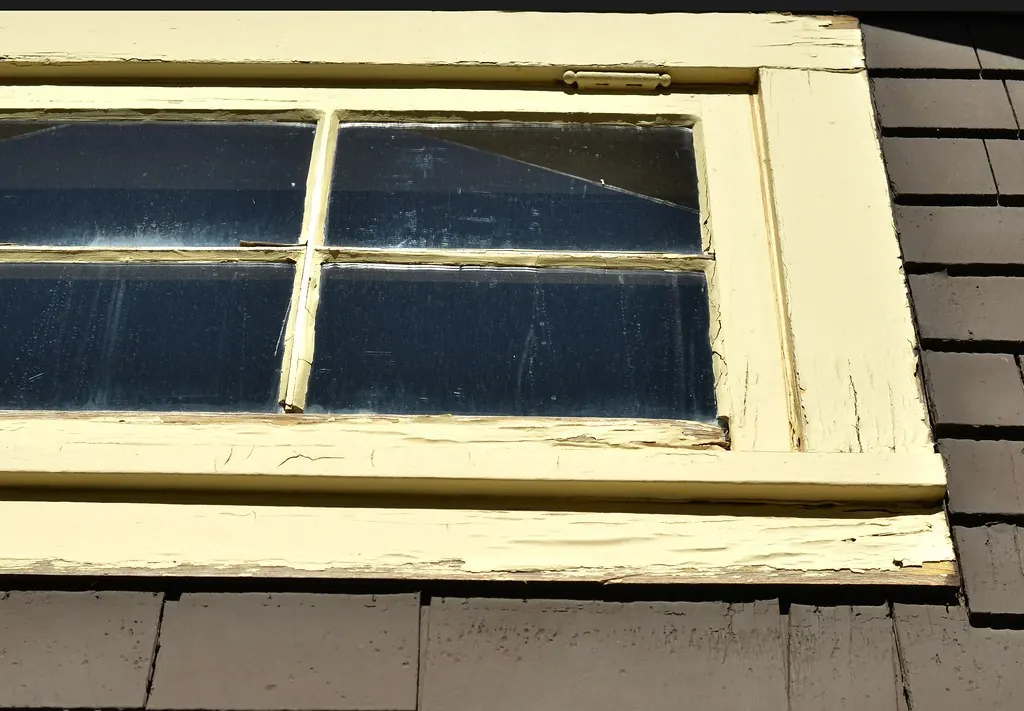
Rental units
Owners of rentals often ask for a yearly reseal between tenants. Fresh caulk around windows and tubs makes a unit look cared for and catches small leaks early. We send photos of each window before and after for your records.
Related guide: What changes the cost of drywall and surface repairs.
Questions we get
How often should windows be recaulked?
Check every fall. Replace caulk when it cracks, pulls away or turns chalky.
- Tenants can open up
- A code for the drafty window visit
Can you caulk over old caulk?
It does not last. We remove the old bead first.
Do you seal the bottom of windows?
We seal the sides and top. Weep openings at the bottom stay clear so water can drain.
Will sealing lower my bills?
It reduces drafts. Savings depend on the house.
- Free price by text
- No surprises on the drafty window
Can you paint the caulk?
Yes, when we use a paintable sealant.
- Drafty window parts named up front
- Bring your own
Get a quote for window caulking and draft sealing
Text a photo and your cross street. Free estimates, and most texts are answered within the hour.
Good to fix along with the drafty window
While we work on the drafty window, we can also look at weatherstripping and door sweeps and window replacement in existing frames. Problem turns out not to be the drafty window? Read replacing rotted trim and sills, stucco crack and patch repair or fall home maintenance visit.
Repairs related to the drafty window
Service area for this job: West Covina, Covina, Baldwin Park, Azusa, Temple City, Sierra Madre, Monrovia, Duarte, Irwindale and Glendora.