 Szeto Handyman
Holes and dents
- A picture or two
- We quote the drywall
- Checked when done
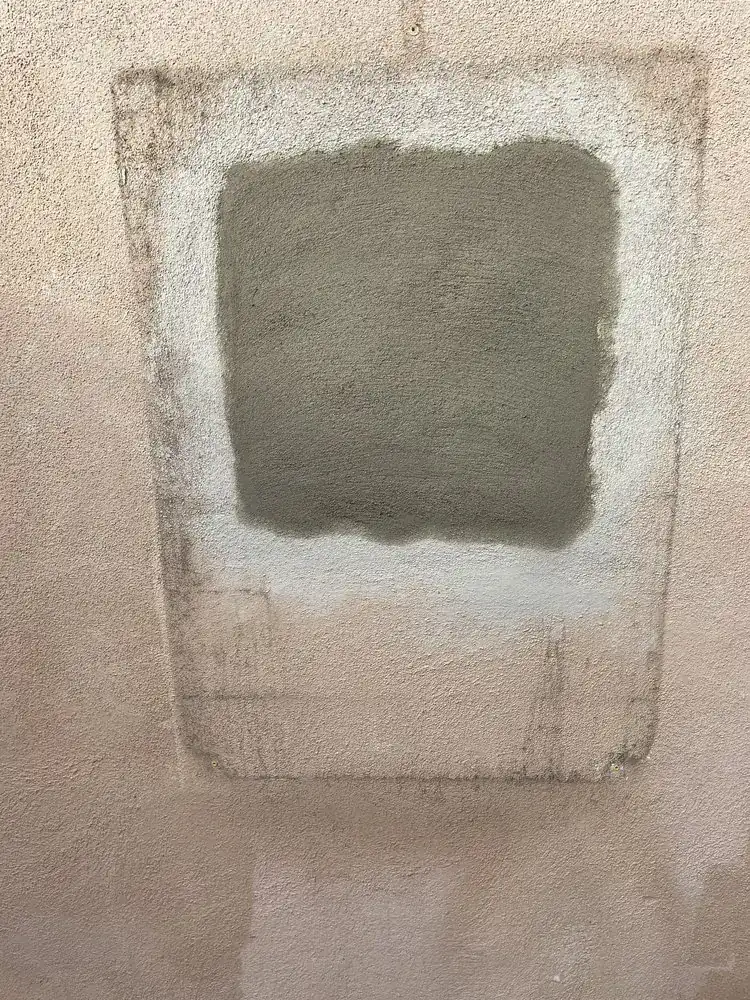
Doorknob holes, anchor holes, cable cutouts and dents are the most common patches. Small holes get a mesh patch or fill; larger ones get a piece of new drywall screwed to backing, taped, mudded in thin coats and sanded smooth.
Cracks
Cracks at door and window corners are common after earthquakes and seasonal movement. We open them up, tape them and finish them so they are less likely to come back. Cracks that keep reopening wider may mean structural movement worth having checked.
- PrepRemove loose or damaged material.
- RepairPatch, fill or reset the piece.
- Build upThin layers, each left to set.
- FinishSand, seal or paint to blend in.
Water damage
Once the leak is fixed and the area is dry, we cut out soft or stained drywall, replace it and match texture. Stain-blocking primer keeps marks from bleeding through paint.
Plaster walls
Older homes often have plaster on lath. We secure loose plaster, fill cracks and patch holes with materials made for plaster so the repair matches.
- Small fixes and repairs
- Swaps on existing mounts
- Patching and adjusting
- Hardware, trim and assembly
- Structural framing changes
- Roofing and foundations
- New openings in walls
- Whole-room rebuilds
Texture matching
Orange peel, knockdown, skip trowel and smooth finishes each need a different technique. We test on scrap first to match yours.
Finishing and paint
A patch is only as good as its finish. We feather each coat wider than the last, sand between coats and check the patch with a work light held flat against the wall, which shows every ridge. Then we prime with a product suited to the surface, whether new paper, compound or old plaster. If you have leftover paint, we can roll the wall corner to corner so the sheen matches.
- The drywall alone
- Tack on extras
Ceilings are trickier because light rakes across them from windows. We match ceiling texture carefully and, when the ceiling paint has yellowed, recommend painting the full ceiling rather than just the patch.
Causes we see most
Doorknobs without stops, furniture moved without care, anchors pulled out of drywall and old plumbing access cuts are the everyday causes. Cracks come from settling, seasonal movement and earthquakes. Nail pops happen when framing shrinks and pushes nails out.
Water stains come from roof leaks, bath overflows, toilet seals and AC condensate lines. Each cause changes the fix: nail pops get screws and fresh compound, cracks get tape, and water damage starts with finding and stopping the leak.
Asbestos and older walls
Joint compound and textures made before the 1980s can contain asbestos. The EPA advises that material in good condition is generally best left alone and that testing should be done by trained professionals. If your home is older and the repair involves cutting or sanding original texture, have a sample lab-tested first, and we will go over the result with you.
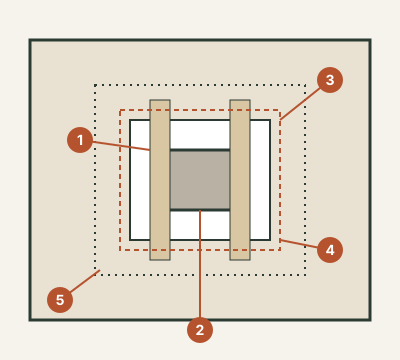
- Wood backing strips behind the hole
- New drywall piece cut to fit
- Tape over the seams
- First coat of joint compound
- Final coat, feathered wide and sanded
Step by step on a typical patch
- A text before the drywall visit
- Drop cloths, then cleanup
- Cut the damaged area to a clean square.
- Add backing strips where there is no stud.
- Screw in a matching-thickness piece of drywall.
- Tape the seams and apply compound in thin coats.
- Sand between coats and check with a raking light.
- Match texture and prime.
What is outside our scope
Mold growth beyond a small area and structural cracks that keep widening are outside our scope. Whole-room drywall replacement is a larger project. We handle the patch and finish once those are settled.
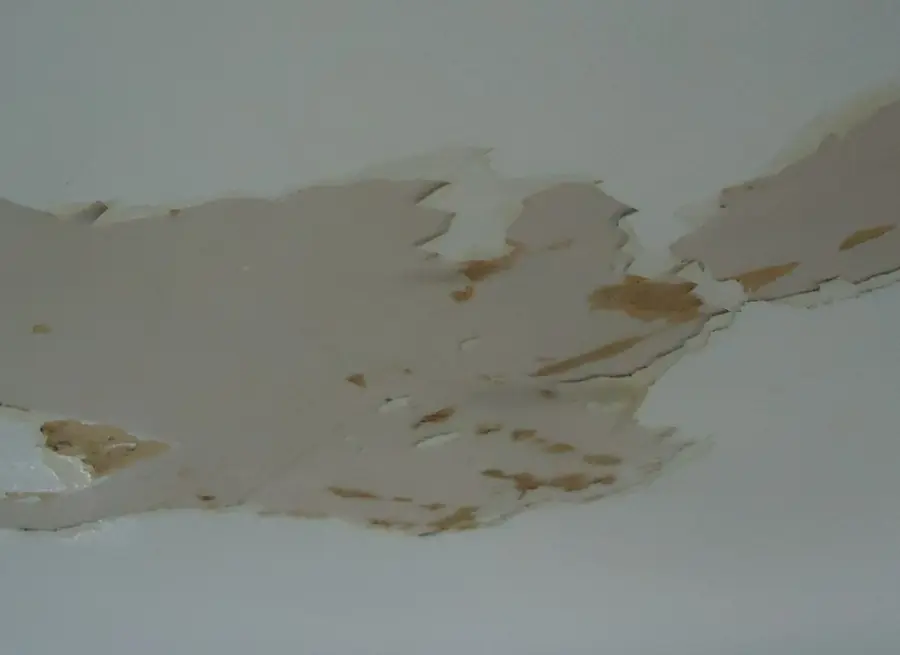
Ceilings after a leak
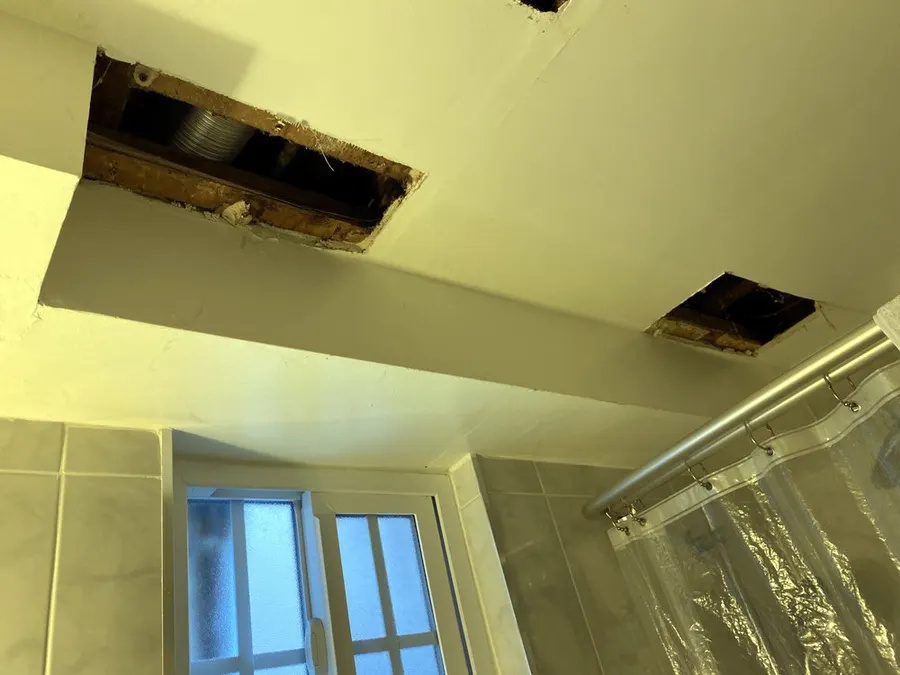
Ceiling drywall soaked from above sags, and wet drywall can come down suddenly. If a ceiling bulges, put a bucket underneath and poke a small hole at the low point to drain it, then stay out from under it.
Once the source is fixed and the framing has dried, we cut out the damaged section back to solid material, screw in new drywall to the joists with backing where needed, tape and finish it, and match the ceiling texture. Stain-blocking primer is important on ceilings, since water stains will bleed through ordinary paint within days.
Corner bead and outside corners
Outside corners take hits from vacuums, carts and furniture. Dented or cracked metal corner bead needs to be cut out and replaced, not just filled, or the crack returns. We install new bead, set it straight with compound, and blend it into the existing wall.
Texture types and how we match them
Orange peel is sprayed thin and looks like the skin of an orange. Knockdown is sprayed heavier and flattened with a knife. Skip trowel is hand-applied with a trowel in a random pattern.
Smooth needs a level-five finish to hide a patch under raking light. We spray or hand-apply a sample on cardboard, compare it in your light, and adjust before touching the wall.
- Wide shotThe whole fixture and the space around it.
- Close-upLabels, model numbers, the leak or break.
- ConnectionsValves, pipes, wires or brackets.
- Send itText the photos with your cross street.
More questions
Will the patch show after paint? If the original paint is old, sheen and color differences can show. Painting corner to corner on the wall avoids a visible square.
How long does compound take to dry? Setting-type compound sets in a set time; premixed compound takes longer, especially in thick coats, so follow the drying time on the bucket. Some patches need a second visit to finish properly; we’ll tell you after seeing photos.
Getting ready for a patch visit
Clear furniture a few feet from the wall, take down art near the repair, and let us know if anyone in the house is sensitive to dust. We cover floors and use a sander with dust collection where practical. If you have leftover paint, set the can out so we can read the color code.
Related guide: What changes the cost of drywall and surface repairs.
Photo checklist
- A close-up of the damage
- A wide shot of the wall to show texture and color
- Any leftover paint can labels
- For ceiling stains, the area above if you can reach it
Questions we get
Do you paint after patching?
We prime and can paint the patched area or the full wall. Paint matching is easiest when you have the original can.
How big a hole can you patch?
Most handyman-scale holes and sections. Whole rooms of new drywall are a bigger project.
Can you fix popcorn ceilings?
Popcorn texture can contain asbestos in older homes. Have a sample lab-tested first, and we will go over the result with you.
- Mon–Sat 8:30 AM–7 PM
- Closed Sunday
- Texts usually answered within the hour.
Can you patch a hole in one visit?
Small holes often, yes. Larger patches usually need drying time between coats, so plan on a second short visit to texture and prime.
Do you fix nail pops?
Yes. We drive a screw next to the popped nail, set the nail, and refinish over both so the bump does not come back.
How many visits does a drywall patch take?
Small holes, usually one. Larger patches often need a second visit for paint after the compound dries.
- A tenant can open
- Leave keys for the drywall
Can you match my wall texture?
We aim for a close match, such as orange peel or knockdown.
Will the patch show after painting?
Spot painting can show slight color or sheen differences. Painting the whole wall gives the cleanest result.
Do you patch plaster walls too?
Small and medium areas, yes. Large failures are outside our scope.
- No charge to quote
- Extra drywall work? We ask
Why did my drywall patch crack?
Patches without tape or mesh, or mud put on too thick at once, tend to crack as they dry. We tape, feather and build in thin coats.
Do I need to prime a patch before painting?
Yes. Bare joint compound soaks up paint differently and shows as a dull spot. We prime the patch so the paint looks even.
Can you fix cracked drywall corners?
Yes. Dented or cracked corner bead can be cut out and replaced, then finished so the edge is straight again.
- We pick up drywall parts
- Your pick of model
Get a quote for drywall and plaster repair
Text a photo and your cross street. Free estimates, and most texts are answered within the hour.
Good to fix along with the drywall
While we work on the drywall, we can also look at water leak and burst pipe repair and TV mounting. Problem turns out not to be the drywall? Read door adjustments and slab swaps, replacing rotted trim and sills or recessed light LED retrofits.
Repairs related to the drywall
Service area for this job: West Covina, Covina, Baldwin Park, Azusa, Temple City, Sierra Madre, Monrovia, Duarte, Irwindale and Glendora.
Textured ceiling flaking down? See popcorn ceiling removal.