 Szeto Handyman
Why caulk matters
- A wide shot
- Close-ups of the tub caulk
- Closest intersection
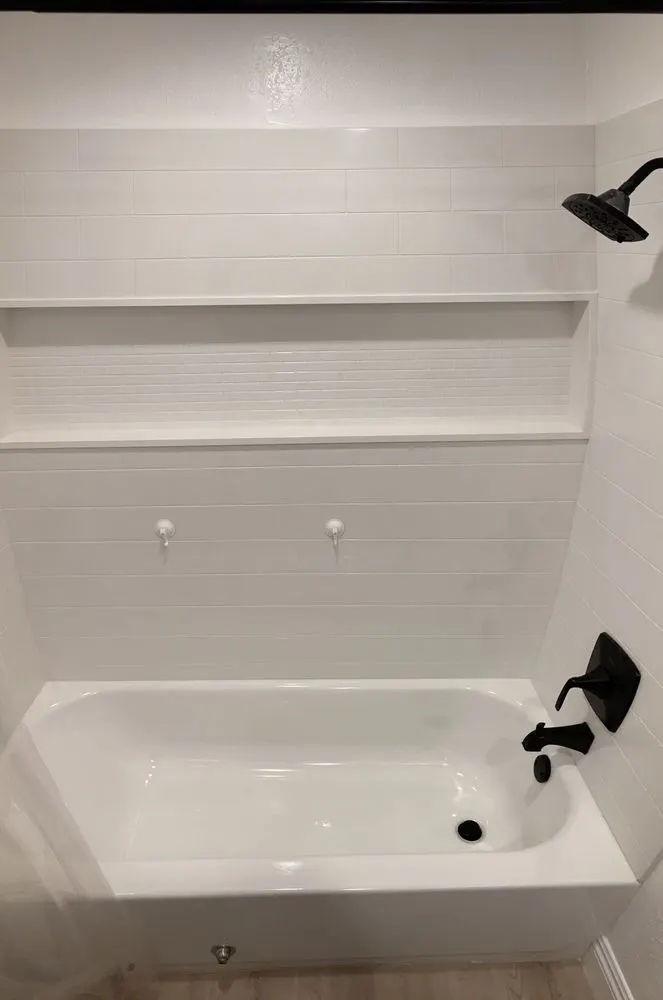
Caulk seals the joints that move: where the tub meets the wall, where a counter meets the backsplash, where a sink rim sits on stone. Those joints flex as the house shifts and as a tub fills with water and settles. Grout cracks there; caulk stretches. When caulk fails, water runs behind the tile or under the counter, and the damage stays hidden until a tile loosens or a cabinet floor swells.
Signs it needs redoing
- Black or pink spots that come back after cleaning.
- Caulk peeling away from the tub or tile.
- Gaps you can slide a fingernail into.
- Cracks along the bead.
- Water on the floor after a shower with no other cause.
Doing it right
Laying new caulk over old caulk does not last; the new bead sticks to the failing one, not the surface. We cut out all the old caulk with a blade and remover, scrape the residue, clean mildew with a cleaner, and let the joint dry fully.
A dry joint is the step people skip, and it is the reason home caulk jobs fail in months. Then we tape both sides where it helps, lay a continuous bead of 100% silicone or a kitchen-and-bath sealant, tool it smooth, and pull the tape.
- A picture or two
- We quote the tub caulk
- Checked when done
For tubs, we fill the tub with water before caulking so it sits at its loaded position. When the water drains, the bead is slightly compressed instead of stretched, and lasts longer.
Silicone or latex
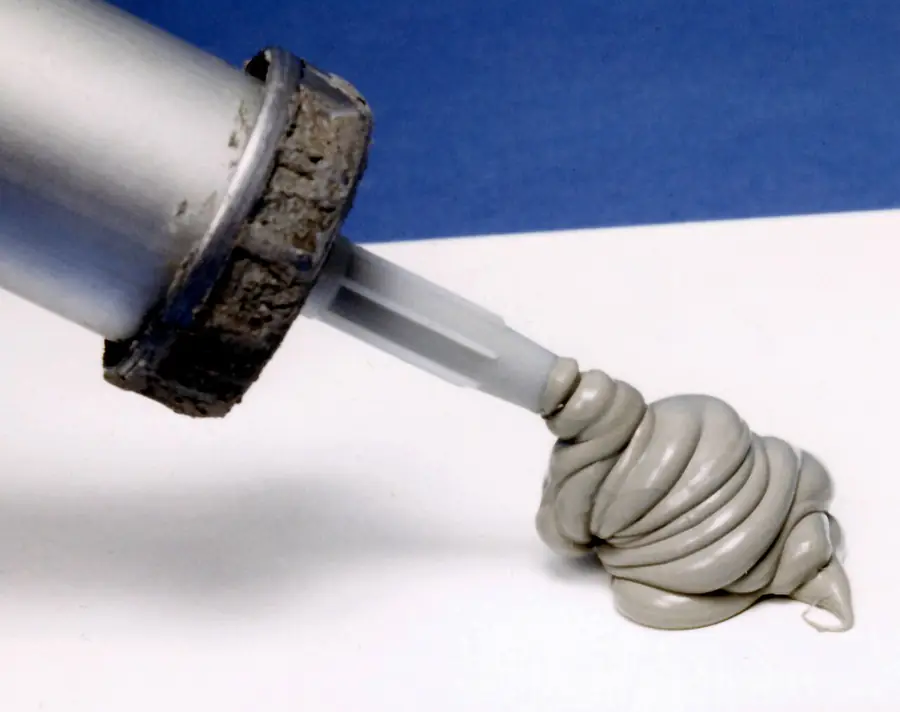
Silicone stays flexible longest and sheds water best, which makes it our usual pick for tubs and showers. It cannot be painted. Siliconized acrylic is paintable and easier to tool, so we use it on trim and counters that meet painted walls. Color matters too: clear, white, almond and colors that match grout are common.
Cure time
Many silicone sealants call for about 24 hours before water touches them; we follow the cure time printed on the tube. We tell you the exact time on the tube. Using the shower too soon leaves soft spots that peel early.
Other spots worth sealing
- The tub caulk alone
- Tack on extras
While we are there, we check the joint where the toilet meets the floor, the escutcheons around shower valves, and the gap where the vanity top meets the wall. If grout itself is failing, see tile regrouting. If the shower valve drips behind the wall, see shower valve repair.
- PrepRemove loose or damaged material.
- RepairPatch, fill or reset the piece.
- Build upThin layers, each left to set.
- FinishSand, seal or paint to blend in.
Mildew in a dry climate
Even in the valley’s dry air, bathrooms stay damp. Small bathrooms without a window or a working fan grow mildew fastest. Running a fan helps caulk last; see our bathroom fan page if yours is weak or loud.
Shower doors
Glass shower doors are caulked along the outside of the frame, not the inside, so water that gets past the door can drain back into the tub. Caulk on the inside traps water. We check the door frame and recaulk the right side.
Kitchen sinks
Undermount sinks are held by clips and adhesive and sealed with silicone. When that bead fails, water runs into the cabinet. We clean and reseal it, and check the clips while there.
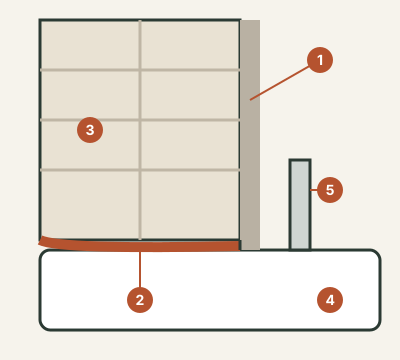
- Inside corner of the tile
- Caulk bead where tile meets tub
- Grout lines, which are not caulked
- Tub
- Spout or trim that gets a small bead
Short visits
Recaulking a tub and a vanity usually fits in one short visit. It pairs well with a faucet swap or a toilet repair during the same visit.
- Wide shotThe whole fixture and the space around it.
- Close-upLabels, model numbers, the leak or break.
- ConnectionsValves, pipes, wires or brackets.
- Send itText the photos with your cross street.
Pink and black spots
The pink film around tubs is usually a bacteria that feeds on soap residue, not mold. Black spots in caulk are mildew growing into the material. Pink film cleans off; black spots inside caulk usually do not, which is why we replace stained caulk rather than scrub it.
Gaps too big for caulk
A gap wider than about a quarter inch needs a foam backer rod pushed in first, so the caulk bead is the right depth and does not sag. Very large gaps can mean the tub has settled or the wall has moved. We check for that before sealing.
Showers with stone
Natural stone needs a sealant labeled safe for stone, since some caulks stain marble and limestone at the edges.
Color match
We bring white, almond, clear and a few grout-tone colors so the new bead matches the tub and tile. If you want a specific color, tell us ahead of time and we pick it up before the visit.
Tubs that flex
Acrylic and fiberglass tubs flex more than cast iron. Caulk around them cracks sooner if the tub is not well supported underneath. When a bead keeps failing at the same spot, we look at the tub for movement before recaulking again.
- Small fixes and repairs
- Swaps on existing mounts
- Patching and adjusting
- Hardware, trim and assembly
- Structural framing changes
- Roofing and foundations
- New openings in walls
- Whole-room rebuilds
Rental turnovers
Fresh caulk is one of the cheapest ways to make a rental bathroom look clean for move-in photos. Stained, peeling caulk makes a clean tub look dirty. We recaulk tubs, vanities and kitchen sinks in one visit during a turnover, and leave a note of the products used.
Caring for new caulk
Wipe the bead dry after showers for the first week, clean with a mild cleaner, and avoid scrubbing it with abrasive pads.
Related guide: What changes the cost of drywall and surface repairs.
Photo checklist
- The full tub or shower
- Close-ups of dark, cracked or peeling caulk
- Any loose tile or soft spots near the joint
Questions we get
How long does caulk last?
Several years with good ventilation. Replace it when it peels or stains.
Can you remove black mold in caulk?
Stained caulk is cut out and replaced. Cleaning rarely gets it out.
How soon can I shower?
Usually after 24 hours.
- A text before the tub caulk visit
- Drop cloths, then cleanup
Do you caulk around toilets?
Yes, with a gap at the back so leaks show.
Do you caulk kitchen counters?
Yes, at backsplashes and sink rims.
Why did my caulk turn black so fast?
Mold grew behind or on the bead, often because moisture was trapped or the joint was not fully dry when caulked.
- Mon–Sat 8:30 AM–7 PM
- Closed Sunday
- Texts usually answered within the hour
Is silicone better than acrylic caulk?
For tubs and showers, silicone usually holds up better to water.
Should I caulk where tile meets tile?
Corners and changes of plane get caulk; flat joints between tiles get grout.
How can I keep new caulk clean?
Run the bath fan, squeegee walls after showers and wipe the bead now and then.
- A tenant can open
- Leave keys for the tub caulk
Can you caulk over old caulk?
No. New caulk does not bond well to old caulk, and mold underneath keeps growing. The old bead is removed and the joint cleaned and dried first.
Does the shower need to be dry before caulking?
Yes. The joint should be completely dry so the caulk bonds; moisture trapped behind it causes peeling.
Should you caulk around the tub spout?
Yes, a bead around the top and sides of the spout and the trim plates keeps water out of the wall. Leaving a small gap at the bottom lets any water inside drain out.
- No charge to quote
- Extra tub caulk work? We ask
Get a quote for tub, shower and sink recaulking
Text a photo and your cross street. Free estimates, and most texts are answered within the hour.
Good to fix along with the tub caulk
Easy to add on the same trip: tile regrouting or fixing a dripping shower. If the cause is elsewhere, see bathroom exhaust fan replacement; broken tile replacement and fixing dripping faucets and running toilets come up often too.
Repairs related to the tub caulk
Available across the San Gabriel Valley, including West Covina, Covina, Baldwin Park, Azusa, Temple City, Sierra Madre, Monrovia, Duarte, Irwindale and Glendora.