 Szeto Handyman
Why working alarms matter
- Mon–Sat 8:30 AM–7 PM
- Closed Sunday
- Texts usually answered within the hour.
The NFPA states that "roughly three out of five fire deaths happen in homes with either no smoke alarms or no working smoke alarms" and that "the risk of dying in a home fire is cut in half in homes with working smoke alarms."
Where alarms go
The U.S. Fire Administration recommends "installing smoke alarms in every bedroom, outside each separate sleeping area, and on every level of a home." It also advises choosing "interconnected smoke alarms so that when one sounds, they all sound." Carbon monoxide alarms belong outside sleeping areas and on each level, especially in homes with gas appliances, fireplaces or attached garages.
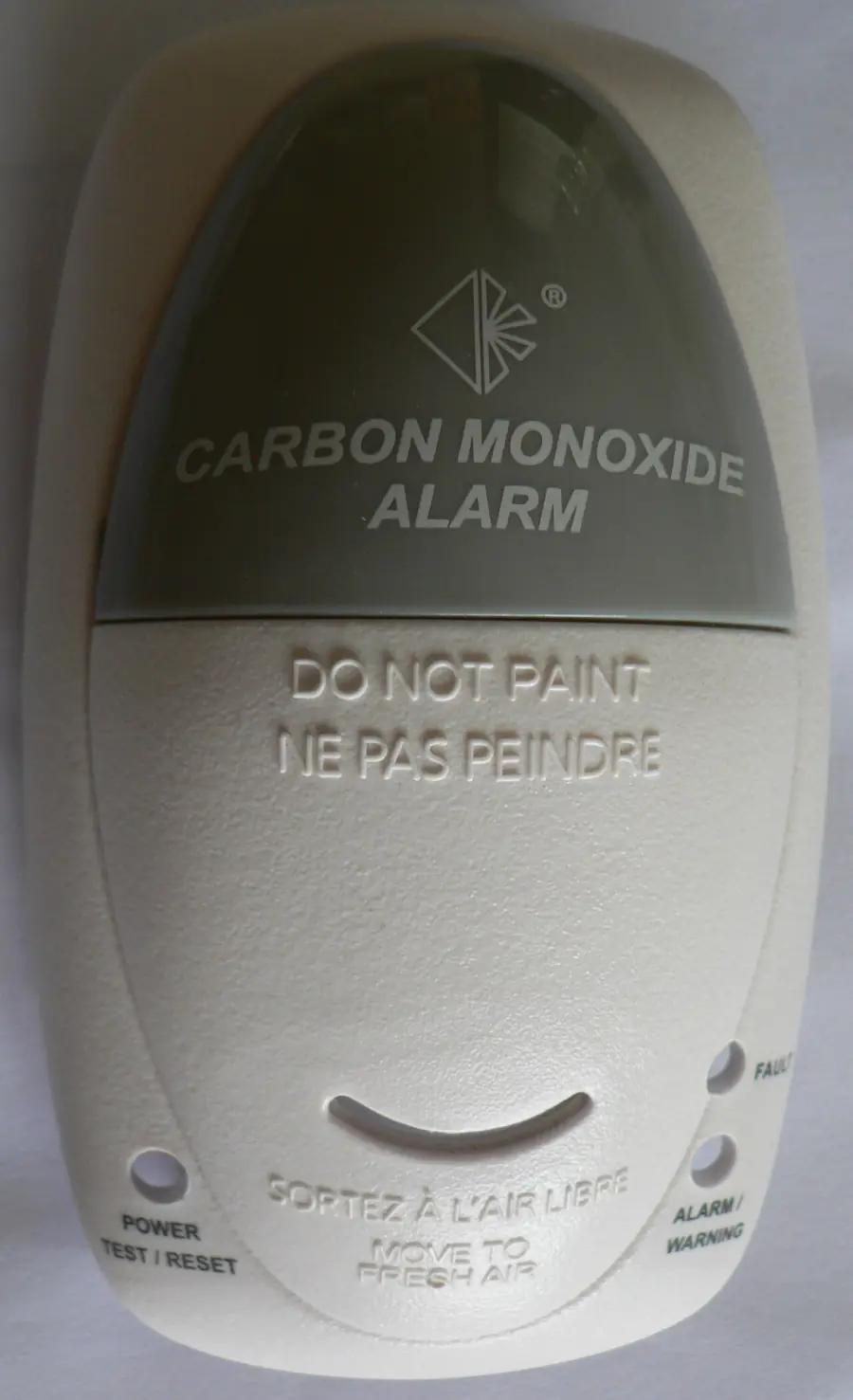
Replacing hardwired alarms
Hardwired alarms connect to house power with a plug-in harness and usually have a backup battery. Many are interconnected by a third wire. Replacements should be compatible with the existing interconnect so all alarms sound together.
Some brands make adapters for older harnesses. We swap the alarms, connect the harnesses, test each unit and confirm they all sound together.
Battery and sealed alarms
Where there is no wiring, sealed battery alarms can be mounted on ceilings or high on walls. Some sealed units are designed to last their full life without battery changes. Combination smoke and CO alarms reduce the number of devices.
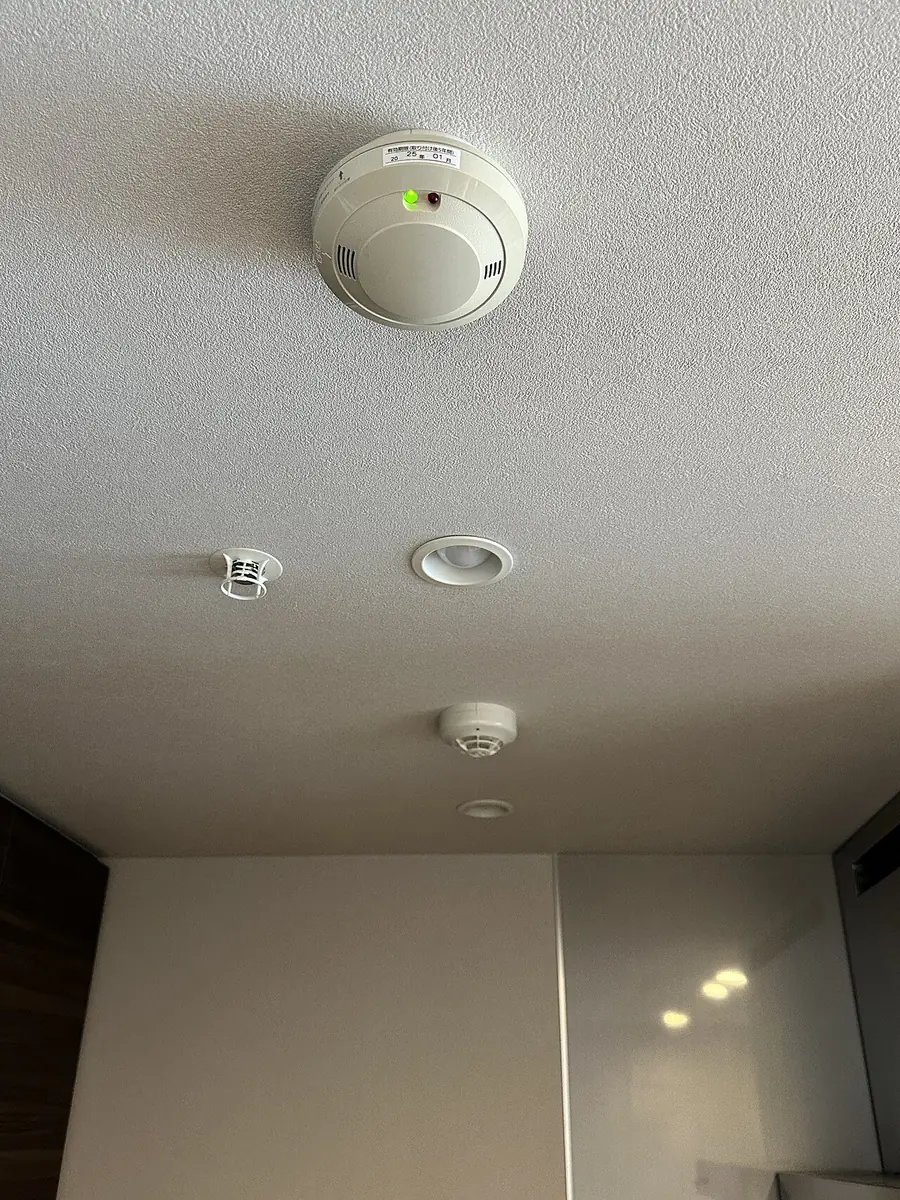
Chirping
A chirp usually means a low battery or an alarm reaching the end of its life. Alarms carry a manufacture date on the back; makers list when to replace them. Changing the battery will not stop an end-of-life chirp.
Scope
See the full list of electrical work we take on.
Adding hardwired alarms where there is no wiring requires new circuits or wiring and is outside what we do; sealed battery units are an alternative.
Alarm types
- Tenants can open up
- A code for the smoke alarm visit
The U.S. Fire Administration describes ionization alarms, photoelectric alarms and dual-sensor alarms, which "contain both ionization and photoelectric smoke sensors." It also notes there are alarms for people with hearing loss that use strobe lights or vibration. Choosing the right type for each room and the people in the home matters.
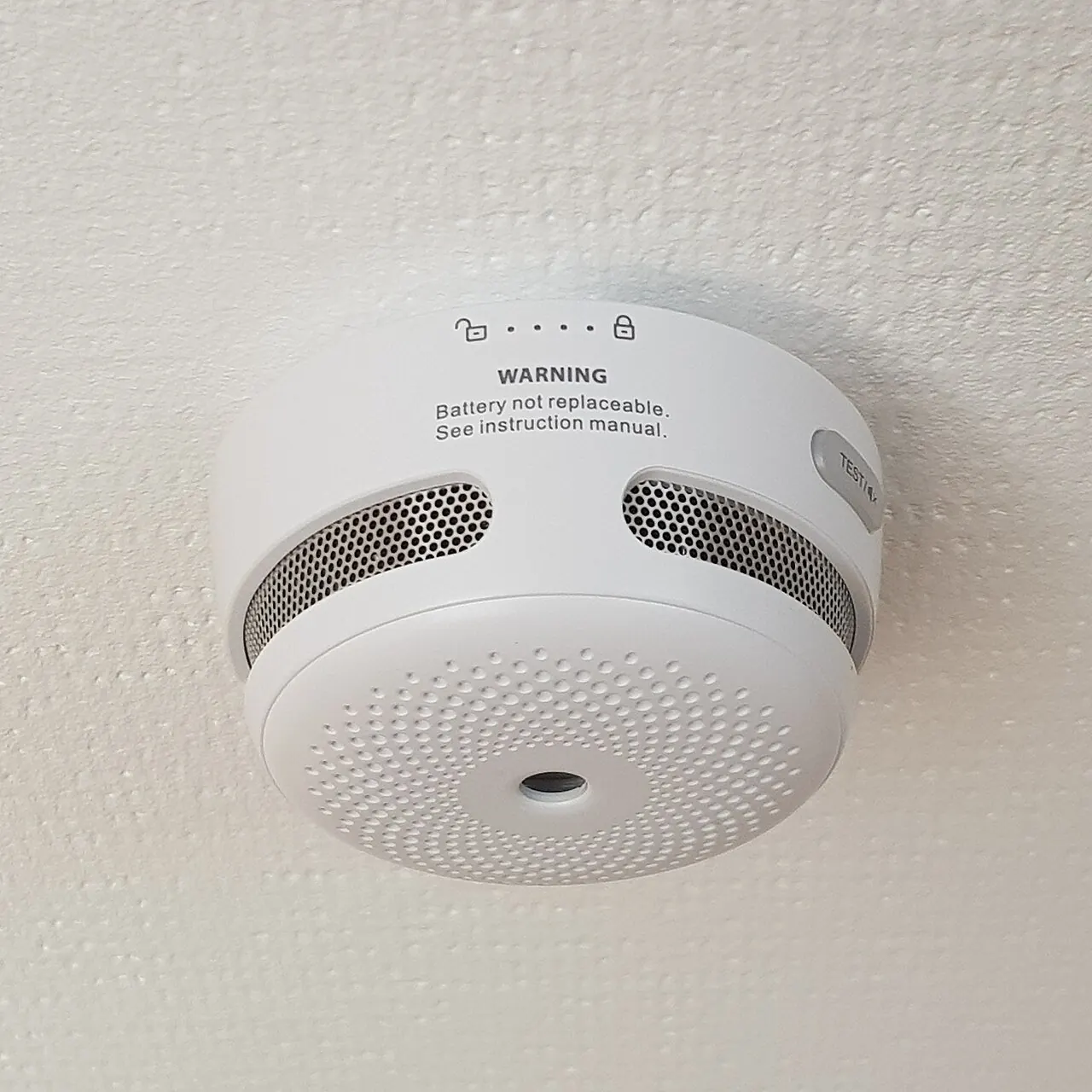
Placement details
Mount alarms on ceilings or high on walls, following the maker's instructions. Avoid locations right next to kitchens and bathrooms where steam or cooking set off nuisance alarms, near vents that blow smoke away, and in dead-air corners. CO alarms follow their own placement guidance in the manual.
Rental properties
Landlords should keep alarms working and replace them on schedule. A tenant can let us in to replace alarms throughout a unit.
Testing after install
- Free price by text
- No surprises on the smoke alarm
We press the test button on each alarm, and on interconnected systems confirm that all alarms sound when one is tested. We note the install date on the alarm.
- Read the back labelIt shows the model and the date it was made.
- Hardwired or batteryWired alarms have a plug behind the base.
- Count the roomsNote bedrooms, hallways and each floor.
- Photo and textSend the label and the ceiling mount.
What to send
Photos of the existing alarms, the back label showing the brand and date if you can remove one, and a list of rooms.
When to replace alarms
Alarms do not last forever. The manufacture date on the back and the maker's instructions tell you when to replace them. A house full of alarms of different ages is common; replacing them together keeps them on the same schedule and ensures interconnection works. When you move into a home, check the dates on every alarm.
- Wide shotThe whole fixture and the space around it.
- Close-upLabels, model numbers, the leak or break.
- ConnectionsValves, pipes, wires or brackets.
- Send itText the photos with your cross street.
More questions
Can you remove alarms that keep chirping? We replace them; removing alarms without replacement leaves the home unprotected.
Can I have a combination alarm in the hallway? Yes, a combination smoke and CO alarm works well outside bedrooms.
Carbon monoxide basics
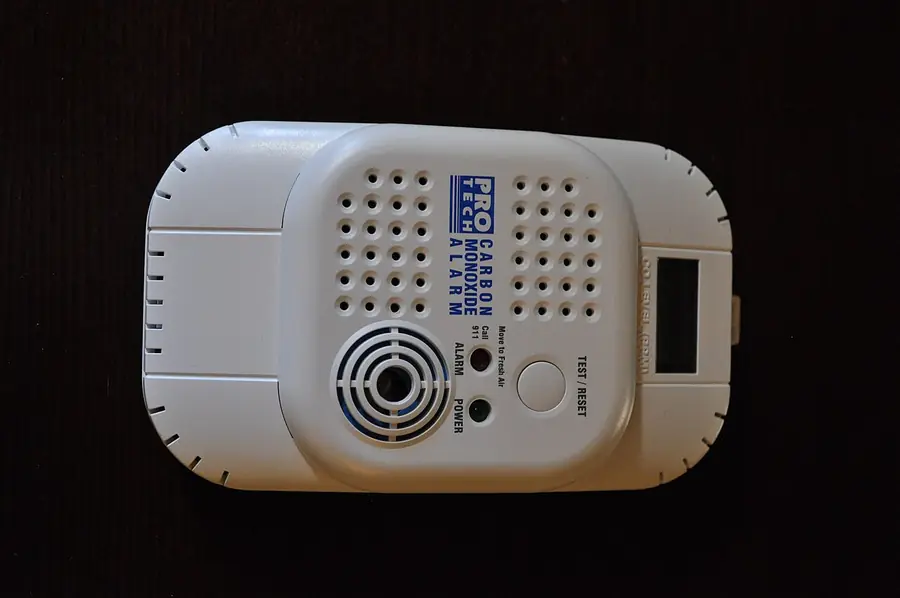
Carbon monoxide is a colorless, odorless gas from burning fuel. Gas water heaters, furnaces, stoves, fireplaces and cars in attached garages can produce it. CO alarms are the only way to detect it.
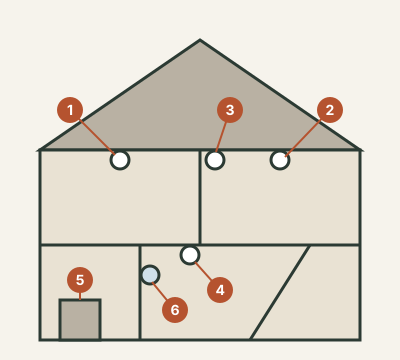
- Smoke alarm in a bedroom
- Smoke alarm in a second bedroom
- Smoke alarm in the hall outside the bedrooms
- Smoke alarm on the lower level
- Gas furnace or water heater
- CO alarm outside sleeping areas and on every level
If a CO alarm sounds, move everyone outside and call 911 or the gas company. Have fuel-burning appliances checked regularly.
Alarms and cooking
Photoelectric alarms are less prone to nuisance alarms from cooking than ionization alarms in many cases. Placement away from the stove helps.
Hearing and accessibility
For household members who are deaf or hard of hearing, alarms with strobe lights or bed shakers alert them when an alarm sounds. These add to standard alarms. Place strobes where they can be seen from bed, and test them with everyone in the household so they recognize the signal.
More questions
- Smoke alarm parts named up front
- Bring your own
Do alarms expire even if they work? Yes. Follow the maker's replacement date.
Nuisance alarms
Alarms placed too close to a kitchen or a steamy bathroom go off while you cook or shower. Moving the unit a few feet, or using a photoelectric model near the kitchen, usually ends the false alarms without removing protection.
- Swapping battery alarms
- Replacing hardwired alarms on existing wiring
- Adding combo smoke and CO units at existing spots
- Testing each unit after install
- Running new interconnect wire
- Adding a new wired location
- Alarms tied to a monitored panel
- Any wiring that looks heat-damaged
Chirping at night
A low battery chirp often starts in the early morning hours when the house cools. Replacing every battery at once saves you from chasing chirps room to room. We bring spares when we visit.
Ten-year sealed units
Sealed alarms with a built-in battery skip the yearly battery swap. When one reaches its end-of-life signal, the whole unit gets replaced.
Related guide: Our GFCI reset checklist.
Photo checklist
- The face of each alarm
- The back label with the date, if you can safely take one down
- Whether it is battery-only or wired (a wire or plug behind it)
- The ceiling height where it sits
Questions we get
Can you mix brands on an interconnected system?
Generally no. Interconnected alarms usually need to be the same brand or compatible.
Why does my alarm go off when I cook?
Placement near the kitchen. Moving or changing type can help.
Do you install CO alarms?
Yes, plug-in, battery and hardwired combination units.
- Text (310) 628-9399
- Phone about the smoke alarm in open hours
How often should alarms be tested?
Follow the maker's guidance. Many recommend monthly testing.
Can you mount alarms on high ceilings?
Yes, with the right ladder.
Do you supply alarms?
We can, or install ones you bought.
- English
- Mandarin Chinese
- Cantonese
Can alarms connect to my phone?
Some smart alarms do. They install like standard alarms.
Why does my alarm chirp?
Usually a low battery or an alarm past its replacement date.
Can I replace a hardwired alarm with a battery one?
It is better to replace it with a compatible hardwired model so the interconnection keeps working.
- Valley-wide
- Smoke alarm jobs in houses and ADUs
Where should a CO alarm go?
Near sleeping areas and on each level, following the maker’s instructions.
What is a combination alarm?
One unit that senses both smoke and carbon monoxide.
Why is my smoke detector blinking red?
On many models a slow red blink is normal and means it is working. A fast blink or chirp signals an alarm or a fault; the manual explains the pattern.
- The whole area
- Details of the smoke alarm
- Your city
How often should smoke alarms be replaced?
Makers generally recommend about every ten years; the date is printed on the back.
Is a smoke alarm the same as a CO alarm?
No. They detect different things. Combination units do both in one housing.
- Text a photo
- A smoke alarm price first
- We test our work
Get a quote for smoke and CO alarm installation
Text a photo and your cross street. Free estimates, and most texts are answered within the hour.
Good to fix along with the smoke alarm
Customers who book smoke alarm work often add electrical fixture repairs or doorbell and video doorbell installation. Other pages that help: water heater repair and replacement, GFCI and switch replacement, replacing old light fixtures.
Repairs related to the smoke alarm
Also done in West Covina, Covina, Baldwin Park, Azusa, Temple City, Sierra Madre, Monrovia, Duarte, Irwindale and Glendora.
Alarm checks are on our seasonal home checklist.