 Szeto Handyman
Start with the label
- Texts work best
- Call about the aging water heater Mon–Sat
Every tank heater has a rating plate on the side with the brand, model, capacity and a serial number. The serial number usually encodes the manufacture date; makers publish how to read it. Knowing the age frames the decision.
A young heater with a failed part is almost always worth fixing. An older heater with a leak from the tank is not. Take a photo of the label and include it when you text.
- Faucets, toilets and valves
- Traps and drain connections
- Water heaters on existing lines
- Disposals and supply lines
- Moving or adding pipe runs
- Sewer and main drain work
- Repiping and new gas lines
- Slab leaks
Problems worth repairing
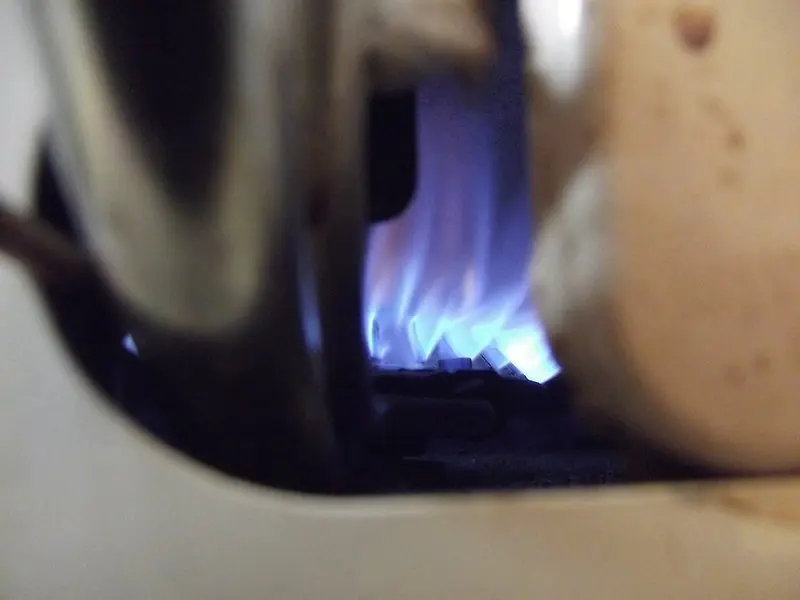
- Pilot will not stay lit on a gas heater: often a thermocouple or a flame sensor, a modest part.
- No hot water on an electric heater: a heating element or a thermostat, or a tripped high-limit switch.
- Leaking at a fitting or the relief valve: the leak is outside the tank, so the tank itself is fine.
- Rumbling or popping: sediment on the bottom; flushing often helps. See water heater flushing.
- Rotten egg smell from hot water: often the anode rod reacting with the water; a replacement anode can fix it.
Signs it is time to replace
- Water leaking from the tank body or pooling under it with no fitting leaks.
- Rust coming through the tank jacket or rusty hot water from every faucet.
- Repeated repairs in a short time.
- Not enough hot water for the household any more, even when working right.
- Age near or past the expected life for that heater, combined with any of the above.
A tank that leaks from the inside cannot be patched. Plan a replacement soon, before it fails completely.
- Wide shotThe whole fixture and the space around it.
- Close-upLabels, model numbers, the leak or break.
- ConnectionsValves, pipes, wires or brackets.
- Send itText the photos with your cross street.
What affects the price
We do not publish prices, because they depend on the house. What moves the cost: gas or electric; tank size; whether the new heater fits the old space and venting; whether the water and gas connections need updating to the current standards; seismic straps; an expansion tank where needed; hauling away the old tank; and access, such as a heater in a tight closet or an attic.
Repairs depend on the part and how hard it is to reach. Send photos and we give a free estimate for both options.
Like-for-like versus changing types
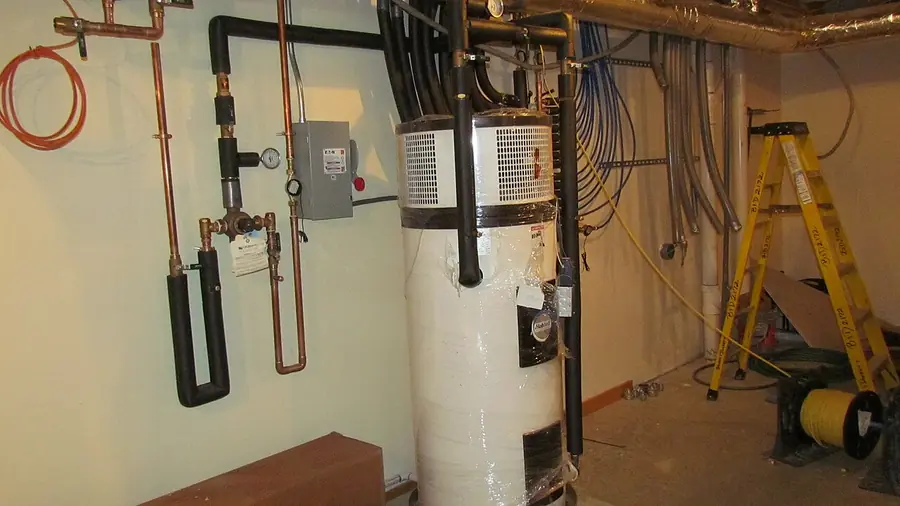
Replacing a tank with a similar tank in the same spot is handyman work we do. Switching from tank to tankless, from gas to a heat pump, or moving the heater to another location involves new gas lines, venting or electrical circuits. That is outside our scope.
Safety notes
If you smell gas, leave and call your gas utility. If the relief valve is spraying, turn off the cold water to the heater and the gas or power. Water heaters in California must be strapped for earthquakes; we check the strapping on every visit.
A quick decision guide
- English
- Mandarin
- Cantonese Chinese
Young heater, part failure: repair. Leak at a fitting: repair. Rumbling: flush.
Leak from the tank or rust through the jacket: replace. Older heater with a costly repair: usually replace. When it is close, we lay out both options with photos so you can choose.
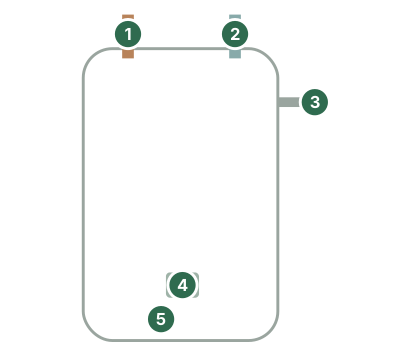
- Cold-water shutoff and inlet
- Hot-water outlet
- Temperature and pressure relief valve
- Gas valve or thermostat
- Drain valve, used for flushing
Plan ahead instead of in a rush
Water heaters tend to fail at inconvenient times. If yours is getting older, a little planning helps: know the size and fuel type, photograph the label and the space around it, and decide ahead of time if you want to stay with the same type. When it does start to fail, the decision and the order go faster, and you can avoid a cold-shower week.
- Is the gas on at the other appliances?
- On gas tanks: is the pilot window lit?
- On electric tanks: has a breaker tripped?
- Is water around the base or the relief valve pipe?
- Photograph the label with the model and serial number
- Note when hot water last worked normally
Water quality
Hard water speeds sediment buildup and wears anodes. A water softener protects the heater and fixtures; see our water softener page. Flushing once a year helps any heater.
Space and access
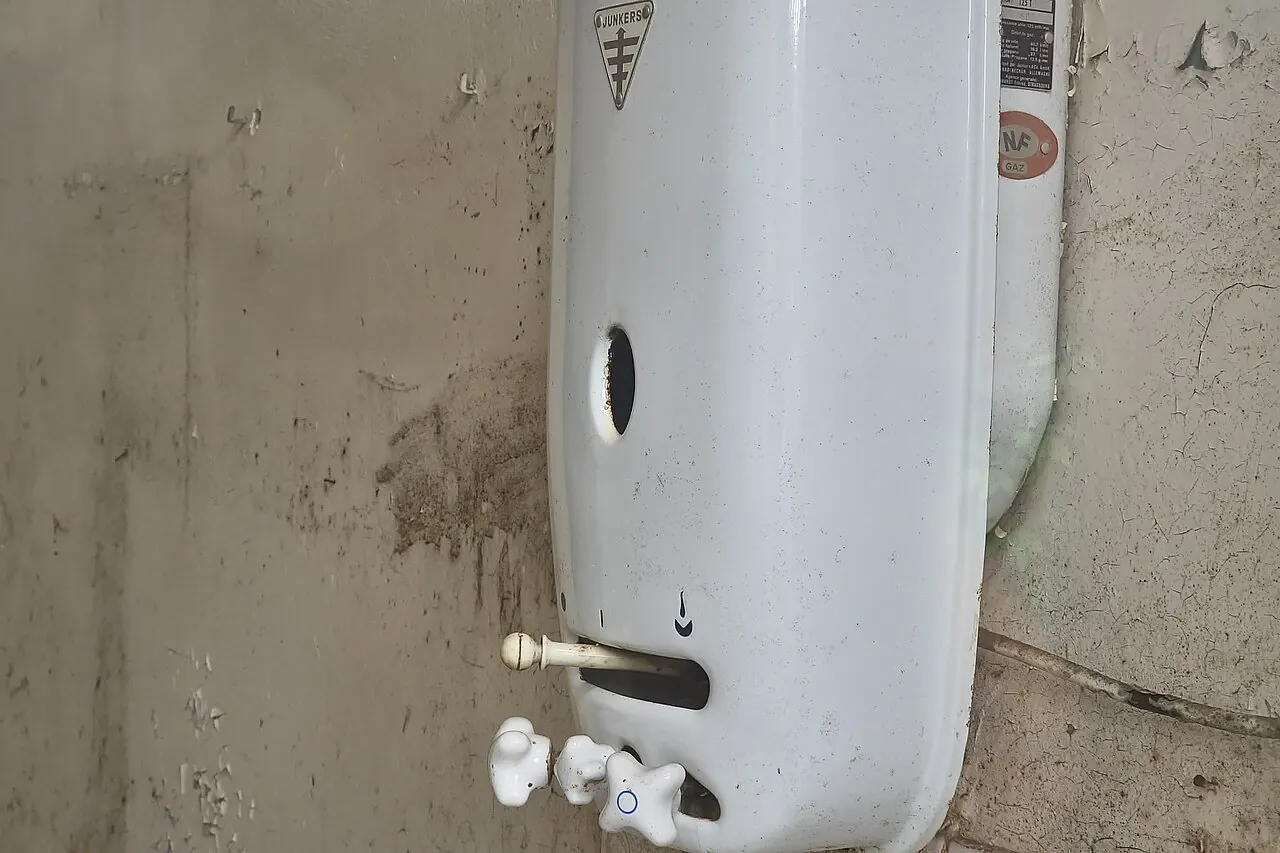
Heaters in garages are the easiest to service and replace. Heaters in interior closets, attics or tight alcoves take longer to reach and may need a drain pan with a drain line. We note this when quoting.
Expansion tanks and pressure
Homes with a pressure regulator or a check valve on the main often need a thermal expansion tank at the heater. If your relief valve drips when the heater runs, that may be why.
Noisy pipes
Banging pipes after the heater runs are often a pressure issue, not the heater.
- Shut it offTurn the valve under the fixture clockwise, or the main valve.
- Relieve pressureOpen a faucet nearby so the line drains.
- Contain itTowels and a bucket; unplug anything wet.
- Photo and textSnap the leak and valve, then text us.
Recalls
Check the maker’s site with your model number for any service notices.
Hot water during the swap
How long you are without hot water depends on the job: where the tank sits, how easy it is to move, and the condition of the connections. Send photos and we will tell you what the swap involves. If parts or a new heater need ordering, we tell you how long it will take before you decide.
What to send
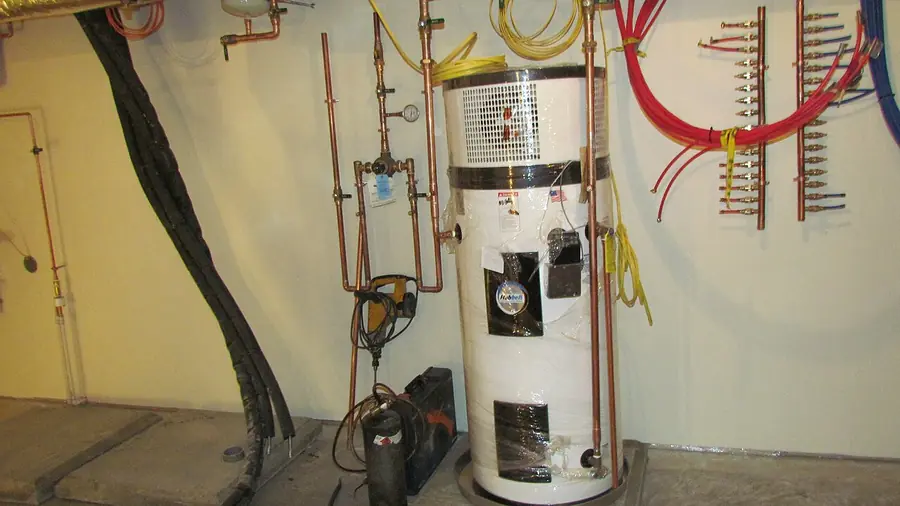
Photos of the rating label, the full heater with its surroundings, the top of the tank with the vent and connections, and the base. If there is a leak, a photo of where the water is coming from helps most.
Related guide: What goes into a handyman quote.
Photo checklist
- The rating label with model and serial number
- Where any water is coming from
- The top connections and the vent
- The burner area or the electric access panels
Questions we get
How do I know how old my water heater is?
The serial number on the label usually encodes the date.
Can a leaking tank be repaired?
A leak from the tank body cannot. Leaks at fittings often can.
Does flushing help?
It reduces sediment and noise and can help the heater work better.
- From Alhambra to Azusa
- Rentals get aging water heater help too
Do you install tankless heaters?
Switching types is outside what we do. We replace tank with tank.
Do you give free estimates?
Yes.
What signs mean the tank is near the end?
Rust-colored hot water, water seeping from the tank body, and heavy rumbling that flushing does not fix.
- A wider view
- The aging water heater up close
- Nearest cross street
Is it worth repairing an older tank?
A cheap part on a tank with no leaks can be worth it. Repeated repairs on an old tank usually are not.
Can a bigger tank fit in the same spot?
Sometimes. We measure the space, door and clearances before suggesting a size.
How long does a replacement take?
It depends on the job: access, where the tank sits and the condition of the connections. Send photos and we’ll tell you what to expect.
- Snap and send
- Aging water heater cost set first
- Tested before leaving
Get a free estimate
Text a photo and your cross street. Free estimates, and most texts are answered within the hour.
Good to fix along with the aging water heater
Customers who book aging water heater work often add tank water heater swaps or tank and tankless flushing. Other pages that help: water softener installation, shutoff valve replacement, Urgent home repairs: what to do first.
Repairs related to the aging water heater
Also done in West Covina, Covina, Baldwin Park, Azusa, Temple City, Sierra Madre, Monrovia, Duarte, Irwindale and Glendora.