 Szeto Handyman
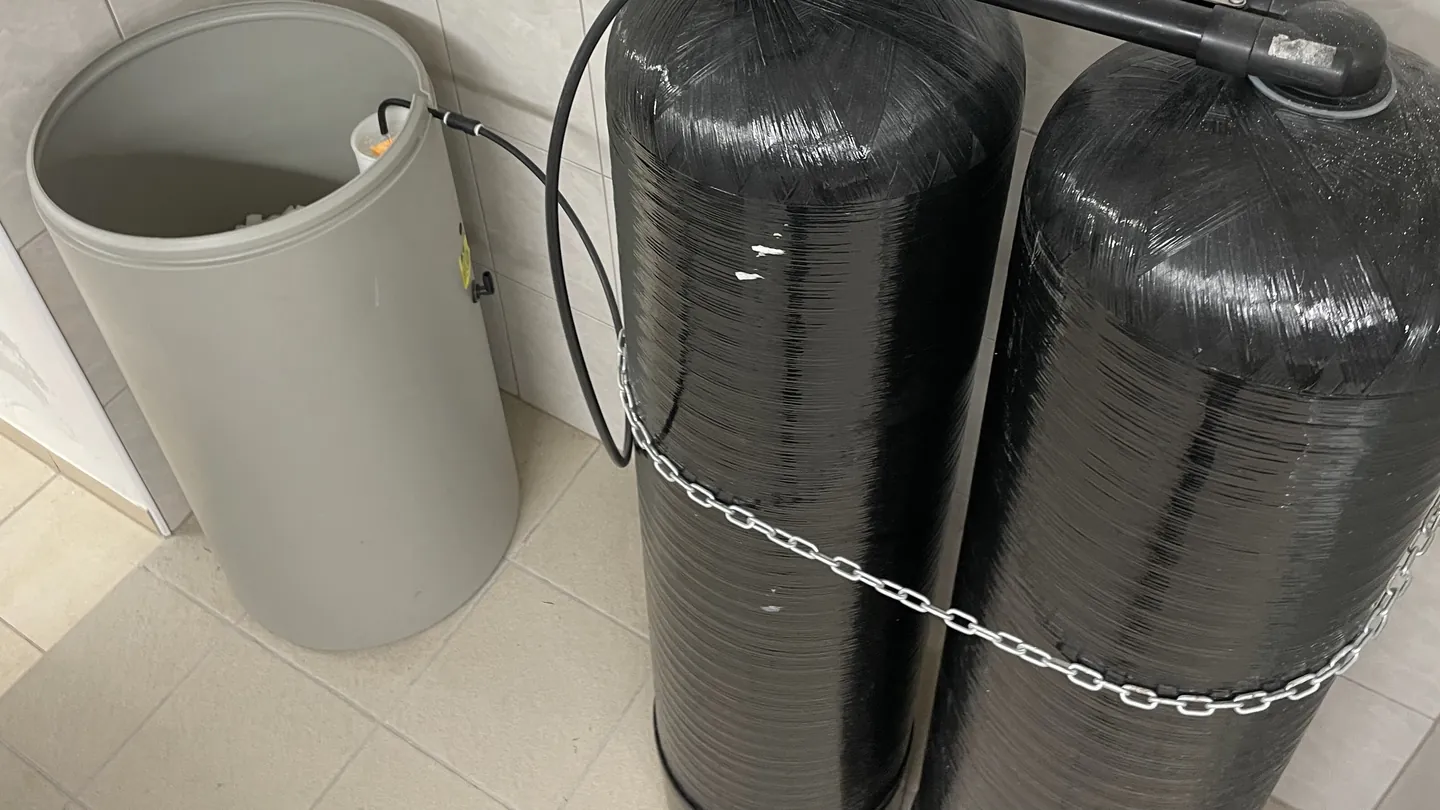
Why softeners are common here
- Send us photos
- Ring us about the softener
Hard water leaves scale on fixtures, glass and inside water heaters. Many valley homes were built with a softener loop near the garage or water heater, a pair of pipes that let a softener connect to the incoming supply. If your home has one, installing a softener is straightforward.
- Faucets, toilets and valves
- Traps and drain connections
- Water heaters on existing lines
- Disposals and supply lines
- Moving or adding pipe runs
- Sewer and main drain work
- Repiping and new gas lines
- Slab leaks
What we need on site
- A softener loop or accessible main supply line.
- A drain for regeneration water, such as a standpipe or laundry sink.
- An outlet for the control head.
- Space for the tank and brine tank on a level surface.
- Wide shotThe whole fixture and the space around it.
- Close-upLabels, model numbers, the leak or break.
- ConnectionsValves, pipes, wires or brackets.
- Send itText the photos with your cross street.
How an install goes
- Shut off the main and drain lines.
- Connect the bypass valve and softener to the loop with proper fittings.
- Run the drain line to the drain with an air gap.
- Fill the brine tank with salt.
- Program the control head for your water hardness and household size.
- Run a regeneration cycle and check for leaks.
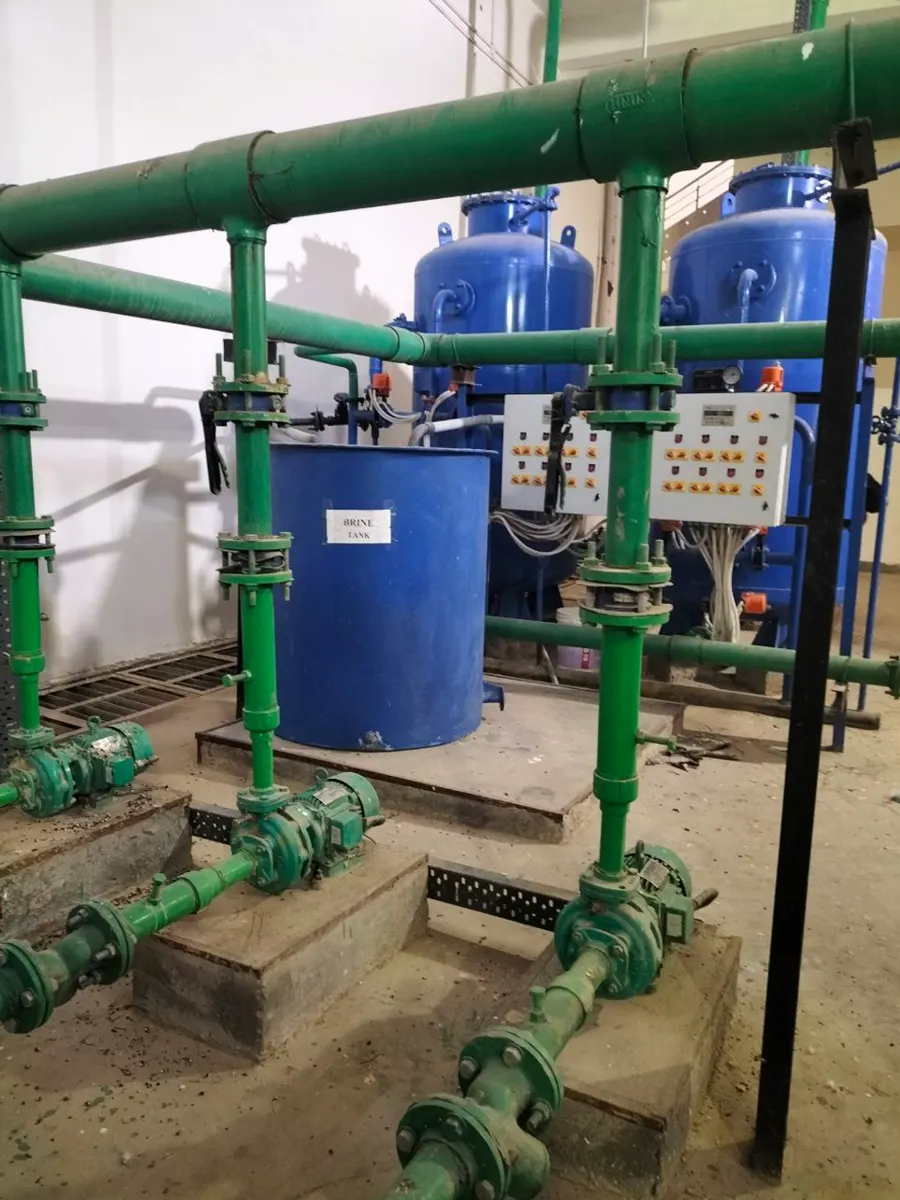
Salt-free conditioners
Salt-free conditioners do not remove minerals but change how they deposit. They do not need a drain or salt. We can install either type on the existing loop. Read the product claims carefully and choose a system certified by independent testing for the claims you care about.
Maintenance
Keep salt in the brine tank, watch for salt bridges, and service the resin tank as the maker recommends. If soft water turns hard, the control head settings, brine draw or resin may need attention.
What is outside our scope
- English
- Mandarin Chinese
- Cantonese
Tying new pipe into the main for homes without a loop, or adding an outlet for the control head, is outside our scope.
- Shut it offTurn the valve under the fixture clockwise, or the main valve.
- Relieve pressureOpen a faucet nearby so the line drains.
- Contain itTowels and a bucket; unplug anything wet.
- Photo and textSnap the leak and valve, then text us.
Hard water signs
- White crust on faucets and shower heads.
- Spots on glasses and shower doors.
- Soap that does not lather well.
- Scale in kettles and coffee makers.
- Rumbling water heaters from sediment.
Your water provider's annual Consumer Confidence Report often lists hardness. A test kit gives your own number.
Sizing and settings
Softeners are sized by grain capacity. The right size depends on hardness and how much water the household uses. Too small means frequent regeneration and more salt; too large can mean resin that sits unused.
The maker's chart helps choose. Programming the head with correct hardness and household size matters as much as the unit itself.
- Space near the main line
- A drain for the regeneration water
- An outlet for the control head
- Water hardness test result
- Loop or bypass already in place?
- Which lines stay unsoftened, such as outdoor taps
Bypass for outdoor water
- All over the valley
- Softener work in condos too
Many softener loops only serve indoor plumbing, leaving hose bibs on hard water for irrigation. That saves salt and keeps softened water out of plants.
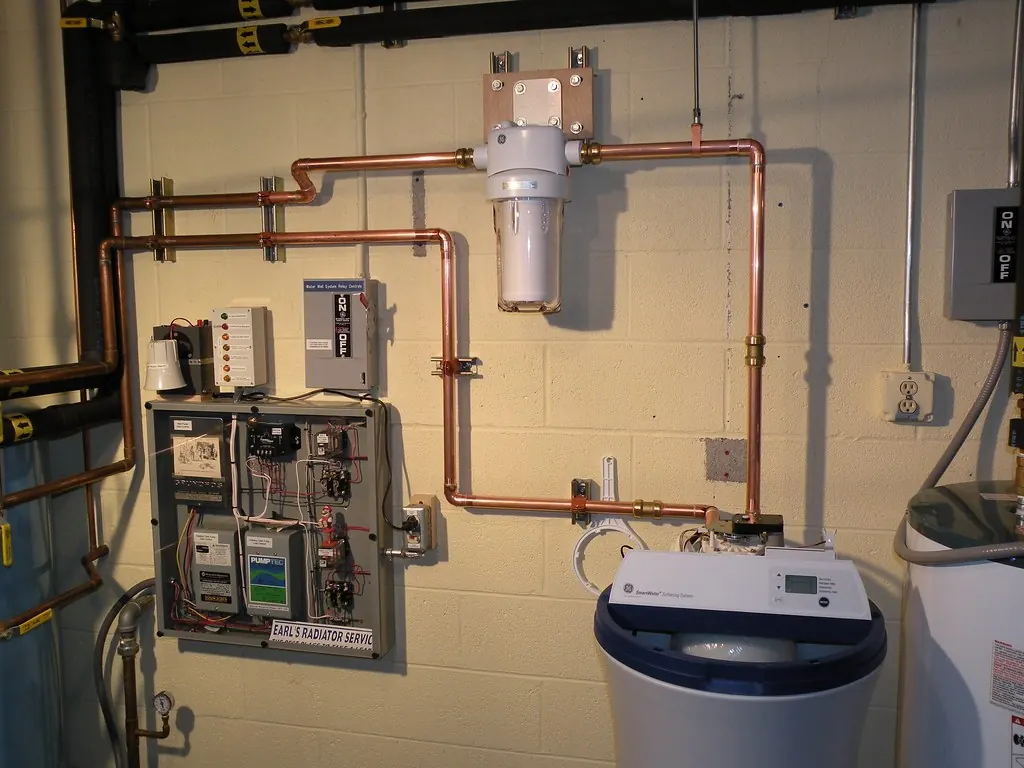
Replacing an old softener
Old units with failing control heads or resin can be replaced on the same loop. We remove the old unit, flush the loop connections, and set the new unit with new fittings and drain line.
What to send
Photos of the loop or old softener, the nearby drain and outlet, and the model you plan to buy.
Water heaters and softeners
Softened water reduces scale in water heaters and tankless units, but softened water can use up anode rods faster in tank heaters. Check the anode during regular maintenance if you add a softener.
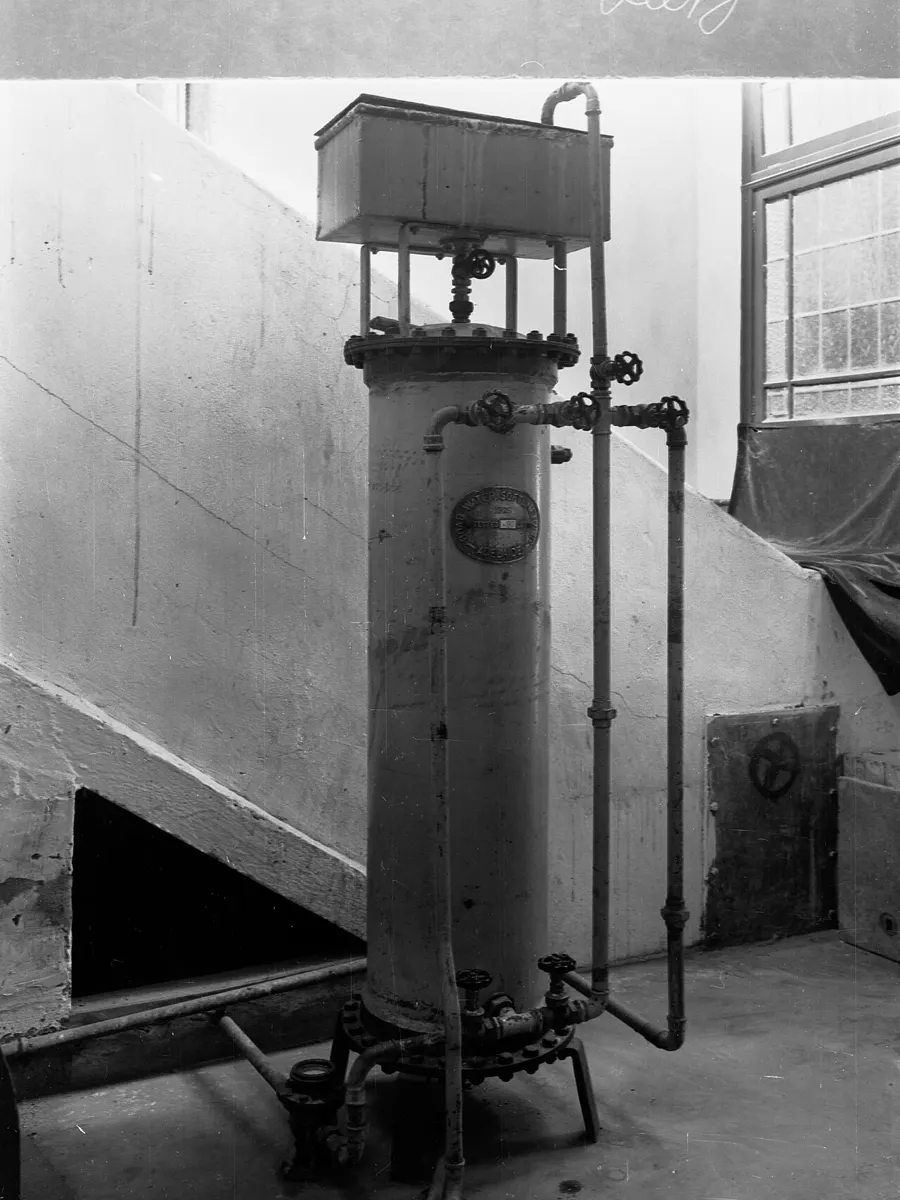
More questions
Can the softener drain into the laundry standpipe? Yes, with an air gap so drain water cannot back into the softener.
What salt should I use? The maker usually recommends pellets or crystals. Potassium chloride is an option for those limiting sodium.
Will soft water feel slippery? Many people notice soap rinses differently. That is normal.
- The whole area
- Details of the softener
- Your city
Do softeners need power? Most control heads plug into an outlet near the unit.
Can you remove an old softener and bypass the loop? Yes, with a bypass fitting.
Choosing between softener types
- Single-tank salt softeners regenerate on a schedule or by water use, during which hard water bypasses the system.
- Twin-tank softeners keep one tank in service while the other regenerates, supplying soft water around the clock.
- Salt-free conditioners reduce scale formation without removing minerals and need no drain.
Demand-initiated control heads regenerate based on metered use rather than a timer, which can save salt and water.
Space and placement
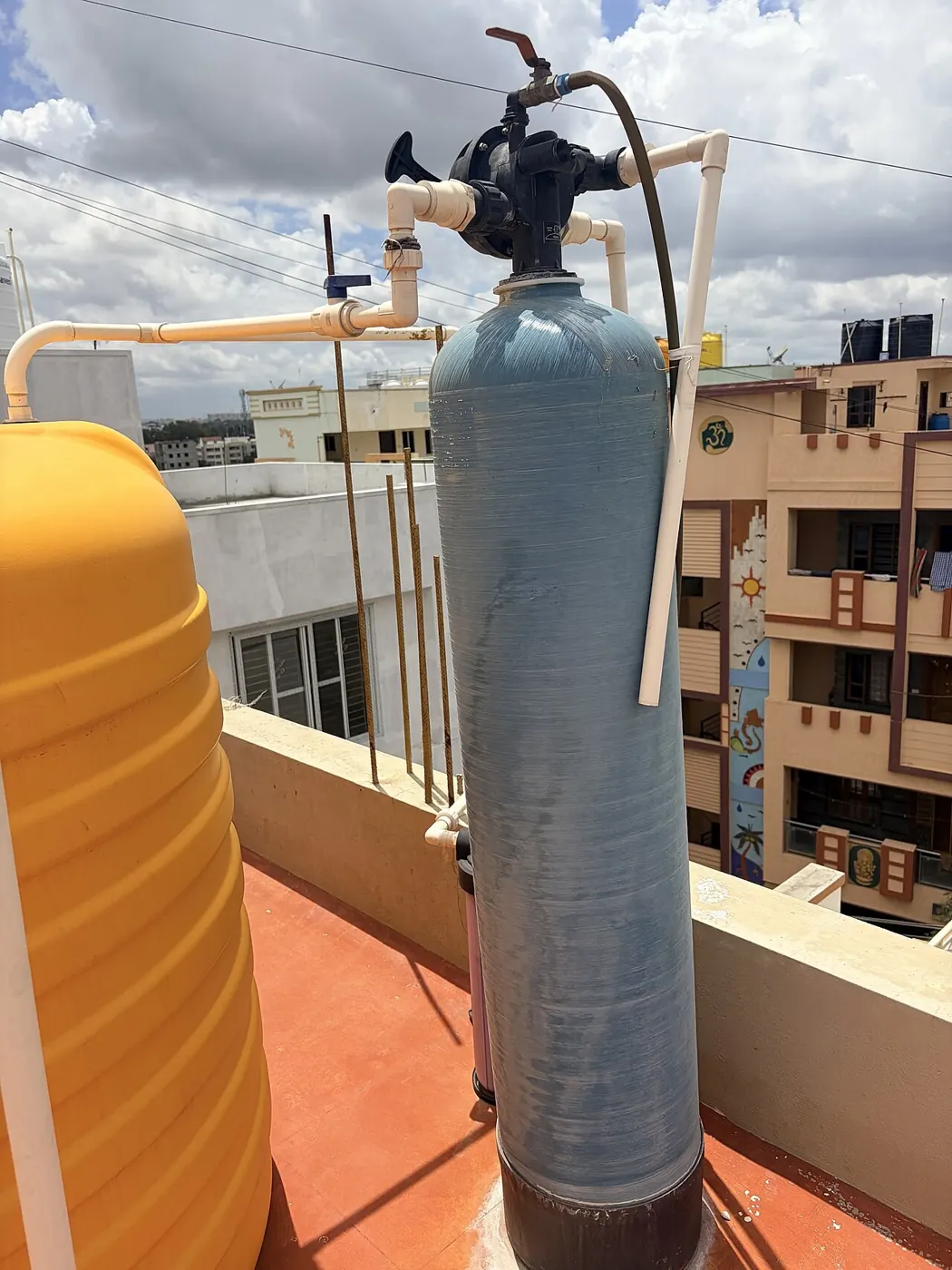
Softeners need a level, protected spot with room for salt bags to be lifted into the brine tank. Garages work well. Outdoor installs need a cover to protect the control head from sun and rain, and the unit should not sit where sprinklers hit it. Keep the bypass valve easy to reach so the system can be taken offline for service.
If the loop is behind stored items, plan to keep that wall clear. A light near the unit helps when adding salt or reading the control display, and a small step stool makes lifting bags into a tall brine tank easier. Note the install date and settings on a tag tied to the unit so anyone servicing it later knows the history.
Related guide: What shapes the price of a handyman visit.
Questions we get
- Text a photo
- A softener price first
- We test our work
How do I know if I have a softener loop?
Look for two capped pipes or a looped pipe near the water heater or garage wall.
Can you replace my old softener?
Yes, on the existing loop and drain.
Does a softener affect drinking water?
Softened water contains some sodium. Many homes keep the kitchen cold tap on unsoftened water or add a filter.
- The softener by itself
- Plus odd jobs
How much salt does it use?
It depends on hardness and use. The maker's manual lists settings.
Can a softener go outside?
Yes, with a cover to protect the control head, and away from sprinklers.
How long does resin last?
It depends on water quality and chlorine levels. The maker can advise on rebedding or replacement.
- We text before the softener job
- Clean when we go
Do softeners waste water?
Regeneration uses water. Demand-initiated heads use less than timer-based ones.
Can I drink softened water?
Many people do. Those limiting sodium can keep a kitchen tap on unsoftened water.
Is a water softener the same as a filter?
No. A softener swaps hardness minerals for sodium or potassium; it does not remove chlorine or taste. Many homes use both.
- Mon–Sat 8:30 AM–7 PM
- Closed Sunday
- Texts usually answered within the hour.
How often does a softener regenerate?
It depends on the water hardness, household use and settings. Metered units regenerate based on how much water has passed.
Do I need a softener on city water?
If you see white scale on fixtures and spots on glasses, the water is hard. A softener reduces that buildup.
- A neighbor works too
- Keys for the softener visit
Get a quote for water softener installation
Text a photo and your cross street. Free estimates, and most texts are answered within the hour.
Good to fix along with the softener
Nearby jobs for the same visit: draining sediment from the tank, water heater repair and replacement, under-sink water filters. When the trouble starts somewhere else, replacing valves that will not close and fixing dripping faucets and running toilets explain it.
Repairs related to the softener
Homes we reach for this include West Covina, Covina, Baldwin Park, Azusa, Temple City, Sierra Madre, Monrovia, Duarte, Irwindale and Glendora.